Speak to one of our experts

Call +44 20 7399 7670

From Auckland to Rome (Civitavecchia)

The Best Of East & West

Dates:
4 Jan - 9 Apr 2028
Duration:
96 Nights
Journey type:
Cruise only (please call for flight options)
No. of ports:
61
Ship:
Vista
Cruise Line:
Oceania Cruises
Fares:

From £34,969 pp

Sunrise at Kenjeran Beach, Surabaya, Indonesia

From Auckland to Rome (Civitavecchia)

The Best Of East & West

Dates:
4 Jan - 9 Apr 2028
Duration:
96 Nights
Journey type:
Cruise only (please call for flight options)
No. of ports:
61
Ship:
Vista
Cruise Line:
Oceania Cruises
Fares:

From £34,969 pp

Voyage Itinerary

4 January

Setting sail from Auckland

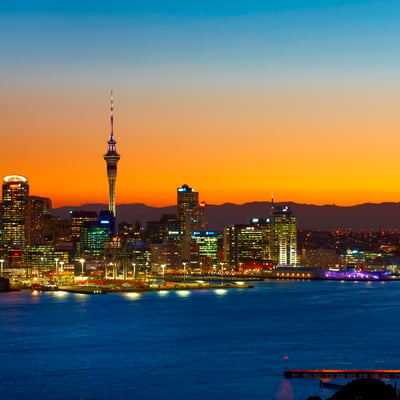
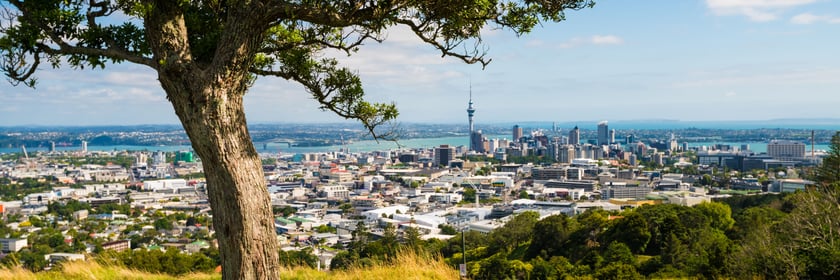
Auckland offers a buzzing waterfront and a vibrant arts scene, and provides a fascinating introduction to New Zealand's proud cultural heritage. The centre is home to excellent shopping and a number of fantastic restaurants, while the north of the city has a distinctly more laid-back vibe, and to the west is the city's oldest wine region.
Auckland, New Zealand
Auckland by night

Our tip

Standing 328 metres tall, the Sky Tower offers the best view of the city from the observation deck or from its two restaurants.

5 January

New Zealand: Tauranga

Tauranga is the largest city on the Bay of Plenty, and is said to be one of the sunniest spots in the whole of New Zealand. There’s a real boom town feel here, with new restaurants, bars and hotels opening all the time, and neighbouring Mount Maunganui is a popular beach destination.
Tauranga, New Zealand

6 January

New Zealand: Gisborne

Gisborne is the first city on earth to greet the sun each morning, and it’s also a popular destination for foodies and wine lovers, known as the unofficial ‘Chardonnay capital of New Zealand’. This is a great place to enjoy some beach time, learn about Maori culture or grab a surfboard and catch some waves.
Waikanae beach, Gisborne, New Zealand

7 January

New Zealand: Napier

When Napier was destroyed by an earthquake in 1931 the city was rebuilt entirely in the Art Deco style, making this a fascinating architectural time capsule. It’s a lovely, sunny seaside city, and a visit to the surrounding Hawke’s Bay wine region makes for an enjoyable day trip.
Waiapu Cathedral in Napier, New Zealand

8 January

New Zealand: Wellington

New Zealand’s cosmopolitan capital is arguably the country’s most likeable city. Hemmed in by forest-clad hills, Wellington is compact and easily walkable, with a lovely waterfront area where you’ll find the must-see Te Papa national museum. The city is also renowned for its strong winds, so make sure you hold on to your hat!
Wellington, New Zealand

9 January

New Zealand: Picton

The pleasant little town of Picton, situated on a sheltered bay at the north eastern tip of the South Island, is the arrival point for ferries arriving from Wellington, and serves as the gateway to the stunning flooded river valleys of the Marlborough Sounds.
Whatmango Bay, Picton, New Zealand

10 January

New Zealand: Lyttelton (Christchurch)

A garden city where punts glide down the Avon River, you’d be forgiven for thinking you were still in the UK when arriving into Christchurch, New Zealand’s most English of cities. Lyttelton is just over 7 miles away; originally established as a landing point for Christchurch-bound seafarers, it serves the same purpose for visitors today.
Lyttelton Harbour, New Zealand

11 January

New Zealand: Timaru

Situated halfway between Christchurch and Dunedin on the east coast of the South Island, the pleasant town of Timaru has a well-preserved Edwardian centre, some interesting museums and galleries, a good range of shops and a nice coastal park along Caroline Bay.
Timaru lighthouse, New Zealand

12 January

New Zealand: Dunedin

Visitors to Dunedin are amazed by the extraordinary Victorian and Edwardian buildings dating back to the gold rush, which bring to mind the city's Scottish roots - not least when the sound of the pipes echoes through the streets.
Dunedin Railway Station, New Zealand

13 January to 15 January - At sea

16 January

Australia: Hobart

Tasmania’s capital has been revitalised in recent years with a slew of new museums, restaurant openings and festivals. Hobart’s highlights include the provocative Museum of Old and New Art (MONA), the lively waterfront and a thriving foodie and craft beer scene.
Hobart, Tasmania at night

17 January - At sea

18 January

Australia: Sydney

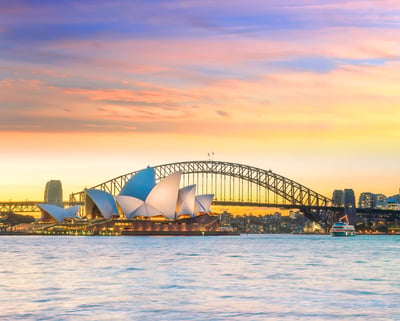
One or our favourite cities in the world, we love pretty much everything about Sydney. Offering outdoor living at its best, the city is known for the excellent beaches but offers so much more, including a thriving and varied food scene inspired by Asian and European flavours.
Sydney skyline, Australia

19 January

Australia: Eden

The sleepy town of Eden, on the beautiful and unspoilt Sapphire Coast, was once an important whaling town. Nowadays the waters of Twofold Bay are a whale watching hotspot, and this is one of the best places in the world to see humpback whales during their spring migration.
Rotary Park in Eden, Australia

20 January - At sea

21 January

Australia: Burnie

Situated on Tasmania’s northwest coast, Burnie is an important industrial centre, though in recent years the city has been reinventing itself as a creative hub. Watch local artisans at work at the Makers Workshop, learn about the city’s industrial history at the Burnie Regional Museum, or take a trip out into the scenic surrounding countryside.
Cradle Mountain, Burnie, Tasmania

22 January

Australia: Phillip Island

Just along the coast from Melbourne lies Phillip Island, famous as the home of the world’s smallest penguins. Little penguins are present here year-round, and their numbers swell in summer. The evening parade, when the penguins waddle up the beach to the safety of their nests, is the highlight of any visit.
Little blue penguins in Australia

23 January

Australia: Melbourne

Culturally sophisticated and fashionably hip, Melbourne combines edgy street art with gold rush era architecture while offering excellent restaurants and top museums. If you have time, check out some of Victoria's other attractions, including the beautiful 12 Apostles and the excellent wines of the Yarra Valley.
Melbourne skyline

24 January - At sea

25 January

Australia: Penneshaw (Kangaroo Island)

Kangaroo Island is Australia’s third biggest island, situated to the south west of Adelaide. It’s a rural and underdeveloped place, with an abundance of wildlife and some spectacular scenery, such as the weird, weather-sculpted boulders of Flinders Chase National Park.
Kangaroo Island, Australia

26 January

Australia: Adelaide

Residents of Adelaide still take pride in the fact that their city was freely settled rather than founded as a penal colony, and the city traditionally had a reputation as a stuffy and pious sort of place. Adelaide has moved on, however, and these days it’s a thriving cultural hub with a superb culinary scene.
Adelaide, Australia

27 January to 28 January - At sea

29 January

Australia: Albany

The historic port of Albany was the first European settlement in Western Australia, and the town still has plenty of photogenically faded colonial architecture. Albany sits on Princess Royal Harbour, one of the world’s best natural deep water harbours, and the surrounding coastline is spectacular.
Torndirrup National Park near Albany, Australia

30 January - At sea

31 January

Australia: Fremantle (Perth)

The capital of Western Australia, Perth sits in glorious isolation on the shores of the Indian Ocean, where the Swan River meets the sea. Laid back and relaxed, this must be one of the most easy-going capital cities in the world, with everything within easy reach.
Perth, Australia

1 February to 3 February - At sea

4 February

Indonesia: Komodo Island

Komodo Island is situated within an area of spectacular natural beauty, home to the famous Komodo dragon. The stunning beaches are tinged with pink thanks to the high concentration of red coral just offshore, and the waters draw intrepid divers from all over the world.
Boats in Komodo National Park, Indonesia

5 February to 6 February

Indonesia: Benoa (Bali)

The beaches, spectacular volcanic scenery and lush green rice terraces lend Bali a natural beauty that seems to dovetail perfectly with the island’s distinct Hindu culture, which adorns the landscape with stunning temples.
Pura Ulun Danu temple, Bali

7 February

Indonesia: Lombok

Quieter and less developed than neighbouring Bali, the island of Lombok is an appealing alternative. To the north, the landscape is dominated by the huge crater of Gunung Rinjani, while the south and west coasts are home to some stunning beaches.
Mount Rinjani, Lombok

8 February

Indonesia: Celukan Bawang (Bali)

Celukan Bawang is the main port in northern Bali, with quite a different feel to the more touristy parts of the island. Here you can see the magnificent Bugis schooners of Sulawesi, and nearby sights include the former Balinese capital of Singaraja, the wildlife sanctuary of West Bali National Park and the black sand Lovina Beach.
Celukan Bawang, Bali, Indonesia

9 February

Indonesia: Surabaya (Java)

Surabaya, situated on the northeast coast of Java, is Indonesia’s second largest city and the place where the country’s struggle for independence began. The warren-like Arab Quarter is worth exploring, though many visitors use the city as a base for visiting nearby Mount Bromo.
Tugu Pahlawan National Monument, Surabaya, Indonesia

10 February

Indonesia: Semarang

The sweltering city of Semarang, on the north coast of Java, is an intriguing mish-mash of Chinese, Islamic and Dutch colonial influences. We recommend escaping the heat with a trip up into the mountains to visit a coffee plantation, or joining an excursion to the extraordinary temple complex at Borobudur.
Sunrise over Borobudur, Indonesia

11 February

Indonesia: Jakarta

Indonesia’s capital is noisy, chaotic and choked with some of the worst traffic in Asia, a sprawling megacity that’s home to over 10 million people. If you can get past all of that then Jakarta has plenty to offer, with the country’s best museums and restaurants, an atmospheric old harbour and a rich mix of cultures from all over the Indonesian archipelago.
Jakarta, Indonesia by night

12 February to 13 February - At sea

14 February

Singapore: Singapore

Singapore’s heritage as an important trading post means that there is a real cultural mix, with four official languages: English, Chinese, Malay and Tamil. Step away from the gleaming towers and you’ll find yourself transported into another world amongst the intoxicating streets of Chinatown and Little India.
Singapore skyline at dusk

15 February to 16 February

Malaysia: Kuala Lumpur (Port Kelang)

Malaysia’s capital is a hot and humid cultural melting pot, defined by its distinctive Malay, Chinese and Indian communities. The dazzling Petronas Towers are KL’s most recognisable landmark, while at street level you’ll find temples and mosques, elegant colonial buildings and bustling markets.
Kuala Lumpur city skyline, Malaysia

17 February

Malaysia: Penang

The Malaysian island of Penang is a fascinating blend of East and West, far more than just a beach destination. Lovely Georgetown, a UNESCO World Heritage Site, is home to British colonial architecture, crumbling Chinese shophouses and incense-perfumed temples.
Old temple door in George Town, Penang

18 February

Malaysia: Langkawi

Laid-back Langkawi boasts some of Malaysia’s finest beaches, and it’s a place where the traditional kampung (village) way of life survives in spite of the island’s development as a tourist destination. It’s also a popular spot for snorkelling and scuba diving thanks to the clarity of the surrounding waters.
Aerial view of Langkawi, Malaysia

19 February

Thailand: Phuket

As well as a plethora of luxury resorts, Phuket has a charming old town replete with pretty Sino-Portuguese architecture, and acts as a jump-off point for exploring nearby islands and coastline. Koh Phing Pan, better known as James Bond Island, and Ko Phi Phi are breathtakingly beautiful, as are the limestone formations that surround Krabi.
Long tail boats, Phuket, Thailand

20 February to 21 February - At sea

22 February

Sri Lanka: Colombo

Colombo may be a little chaotic, but there is plenty to recommend Sri Lanka's colourful capital. Faded colonial architecture and beautiful Buddhist temples hint at the city's considerable history, while the excellent restaurants, lively bars and characterful streets provide the perfect introduction to contemporary Sri Lankan culture.
Aerial view of Colombo, Sri Lanka

23 February - At sea

24 February

India: Cochin

25 February - At sea

26 February to 27 February

India: Mumbai

Formerly known as Bombay, this amazing city is larger than life and packed to bursting with things to see and do. Here people of all religions and nationalities live cheek by jowl, thriving communities from all over the world with the foods, smells, languages and rituals maintained at top volume.
Railway terminus, Mumbai

28 February to 29 February - At sea

1 March to 2 March

United Arab Emirates: Dubai

Amazing high rise buildings, extensive air-conditioned shopping malls and extraordinary man-made tourist attractions (such as indoor ski-slopes) abound in the glamorous city of Dubai, home to some of the most glitzy and expensive hotels in the world.
Downtown Dubai, UAE

3 March

United Arab Emirates: Abu Dhabi

The UAE’s gleaming capital gives Dubai a run for its money in terms of extravagant excess, an ever-multiplying forest of skyscrapers looming over the golden sand and brilliant blue waters of the Gulf. Don’t miss the shining white Sheikh Zayed Grand Mosque, one of the world’s biggest.
Abu Dhabi skyline

4 March to 5 March - At sea

6 March

Oman: Salalah

Salalah is Oman’s second city, and the capital of the southern Dhofar region. Many visitors are surprised by the pleasant sub-tropical climate, which turns the city into an oasis of lush greenery during the ‘khareef’ (monsoon) season between June and September, and in many ways it’s more reminiscent of Zanzibar than Muscat.
Fruit stall in Salalah, Oman

7 March to 9 March - At sea

10 March

Saudi Arabia: Jeddah

The port city of Jeddah has long been a cultural crossroads, serving as the gateway to Mecca for pilgrims making the Hajj, and there's a cosmopolitan feel here that other Saudi cities lack. The old Al-Balad neighbourhood is home to the city’s most characterful buildings, while the buzzing Corniche promenade is a great spot for people watching.
Jeddah old city, Saudi Arabia

11 March - At sea

12 March

Jordan: Aqaba

Aqaba is Jordan’s principal beach resort, situated on the Red Sea coast close to the Israeli border. The main attraction in Aqaba itself is the incredible diving, though many visitors will choose to instead use the port as a jumping off point for the 'Rose City' of Petra and the desert landscapes of Wadi Rum.
Aqaba, Jordan

13 March

Egypt: Safaga (Luxor)

Safaga is the nearest sea port to Luxor, and ships often stop here overnight to give you time to see everything. Prepare to be amazed – the thin belt of greenery along the banks of the Nile gives Luxor a lush setting for an extraordinary collection of tombs and temple complexes that hint at the magnificence of this former Ancient Egyptian capital.
Temple of Karnak in Luxor, Egypt

14 March to 15 March - At sea

16 March to 17 March

Egypt: Alexandria

Alexandria was one of the great cities of antiquity, founded by Alexander the Great in 331 BC and home to the Pharos lighthouse, one of the original Seven Wonders of the World. The Pharos is long gone and the city has lost some of its lustre, but there are still plenty of reminders of Alexandria’s glorious past scattered around.
Fort Qaitbey, Alexandria, Egypt

18 March - At sea

19 March

Turkey: Kusadasi

The Turkish port of Kusadasi is the gateway to Ephesus, one of the most spectacular archaeological sites in the Eastern Mediterranean. This was the Roman capital of Asia Minor, and the remains constitute the most complete classical city in Europe.
Ephesus Shrine

20 March to 21 March

Turkey: Istanbul

Istanbul is the place where East meets West, where Asia Minor reaches out across the Bosphorus and almost touches Europe, and the city remains a bristling, bustling cultural melting pot, the skyline dotted with magnificent minarets and domes.
Sunset over the Blue Mosque, Istanbul

22 March

Turkey: Çanakkale

Çanakkale occupies a key strategic location guarding the Dardanelles, at the meeting point of the Aegean and the Sea of Marmara. This region of Turkey is full of historical interest, including the battlefields of the disastrous Gallipoli campaign and the ruins of ancient Troy.
Trojan horse in Canakkale, Turkey

23 March

Greece: Kavala

Kavala has a rich history dating back nearly 3,000 years, and was known in antiquity as Neapolis. Many of the city’s most interesting sights were built by the Ottomans, including the aqueduct of Suleyman the Magnificent and the beautiful Imaret, a former religious school.
Kavala, Greece

24 March

: Thessaloníki

Greece’s bustling second city has a rich history, shaped by Roman, Byzantine and Ottoman rule, and was once home to a large Jewish community. Sadly many of Thessaloniki’s historic buildings were destroyed by a fire in 1917, but the famous White Tower survives, along with the city’s vibrant, multicultural spirit.

25 March

Greece: Lesvos

Lesvos is the third largest of the Greek islands, with a landscape ranging from arid plains and rocky outcrops to lush olive groves, forested mountains and sandy beaches. Highlights include the beautiful harbour at Molyvos and the ruined Byzantine fortress that overlooks Mytilini, the island’s lively capital.
Molyvos harbour, Lesvos, Greece

26 March

Turkey: Izmir

The Turkish port of Izmir, formerly the Greek city of Smyrna, is a liberal and progressive place where the secularism of Ataturk remains strong. During the Ottoman era this was a melting pot of ethnic groups including Armenians, Jews and Italians, and a cosmopolitan atmosphere persists to this day.
Izmir, Turkey

27 March

Turkey: Bodrum

Bodrum is one of the trendiest destinations on Turkey’s Aegean coast, with plenty of private yachts bobbing alongside the traditional gulet boats in the harbour. Whitewashed buildings draped in bougainvillea give the town a Greek feel, overlooked by the imposing 15th century crusader castle.
Bodrum, Turkey

28 March

Greece: Heraklion

Crete’s bustling capital is a modern and cosmopolitan city, where the island’s rich history isn’t immediately apparent. Take a closer look, however, and you’ll find a fantastic archaeological museum, along with remnants of Venetian fortifications and a lively seafront promenade, with plenty of nice outdoor cafés.
Castle in Heraklion, Crete

29 March

Greece: Santorini

The volcanic island of Santorini (known officially as Thira) is one of the most spectacularly beautiful in the Mediterranean. The pretty village of Oia, with its whitewashed houses and windmills tumbling down the hillside, is particularly photogenic.
Oia village, Santorini

30 March

Greece: Mykonos

Glamorous Mykonos is the most popular of the Cyclades islands, well known as a haunt of the rich and the famous. It’s also the gateway to the nearby island of Delos, home to one of the most important archaeological sites in Greece.
Windmills in Mykonos, Greece

31 March

Greece: Athens (Piraeus)

Athens is a city awash with historical and cultural significance, but it's much more than an open air museum; this is a dynamic, bustling metropolis, and a place where history is still very much unfolding.
Acropolis of Athens, Greece

1 April

Greece: Gythion

The little fishing town of Gythion was once the seaport for ancient Sparta, though these days it’s a pretty sleepy place. Take a stroll around the picturesque streets and soak up the atmosphere, with pastel-hued houses, balconies draped in bougainvillea and some great little seafood restaurants.
Gythion, Greece

2 April

Greece: Igoumenitsa

3 April

Montenegro: Kotor

Kotor sits at the head of a beautiful, fjord-like bay, hemmed in by glowering mountains. The compact, walled old town is Montenegro’s star attraction, a warren of little alleyways and shady squares that is often described as a ‘mini Dubrovnik’.
Kotor old town, Montenegro

4 April

Croatia: Dubrovnik

We never fail to be moved when we see the terracotta roofs and honey-golden walls of Dubrovnik, and a stroll around the perfectly preserved old town is a highlight of any visit to the Dalmatian coast. Make sure you take the time to walk around the walls and soak up the marvellous sea views.
Aerial view of the old town, Dubrovnik

5 April - At sea

6 April

Malta: Valletta

Malta’s tiny capital, established by the Knights of St John, packs in an awful lot of history considering its diminutive size. The atmospheric old streets, bathed in Mediterranean sunshine, are full of attractive honey-golden buildings, along with an impressive selection of bars and restaurants.
Valletta, Malta

7 April

Italy: Messina

Situated on the north eastern tip of Sicily, so close to the Italian mainland you can almost touch it, Messina is the busy main entry point to the island. The city was flattened by an earthquake in 1908, and again by Allied bombing in 1943, so few historical sights remain, although the cathedral is one of Sicily’s most impressive.
Neptune's fountain, Messina, Sicily

8 April

Italy: Salerno

Salerno is the capital of the Campania region, an attractive city at the eastern end of the Amalfi Coast. The historic centre and beautiful seafront promenade are well worth exploring, and the ruins at nearby Paestum make for an interesting day trip.
Santissima Annunziata church and castle, Salerno

9 April

Arriving in Rome (Civitavecchia)

One of the world’s great cities, Rome continues to dazzle and delight visitors with a potent mix of architectural marvels, continent-defining history and buzzing nightlife. The Colosseum, the Vatican and the Forum are among the big ticket items, with the crowds to match, though in truth you will find history around almost every corner.
Rome skyline
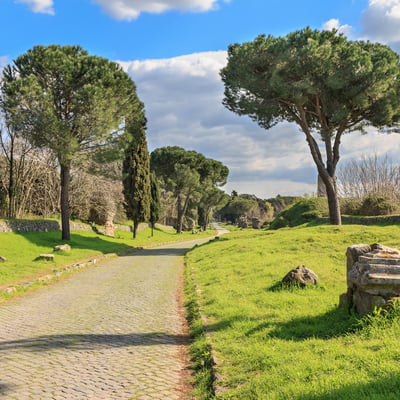
The Via Appia, Italy

Don't miss

The Via Appia - this ancient Roman road is now part of a national park, and closed to car traffic on Sundays. Take a picnic, stroll, and visit the extraordinary catacombs.

The ship

Vista

Capacity:
1200 Guests
Crew:
800 Staff
Style:
Easy going and unpretentious, and at the same time stylish and oozing quality, Oceania's ships are a great choice for inquisitive and engaged travellers who enjoy good food, and from 2026 they operate as adults-only.

The first ship in Oceania's Allura Class, Vista joined the fleet in 2023, with sister ship Allura setting sail in 2025. These ships represent an exciting evolution and offer elevated dining options, accommodation, and guest experience.
What we love

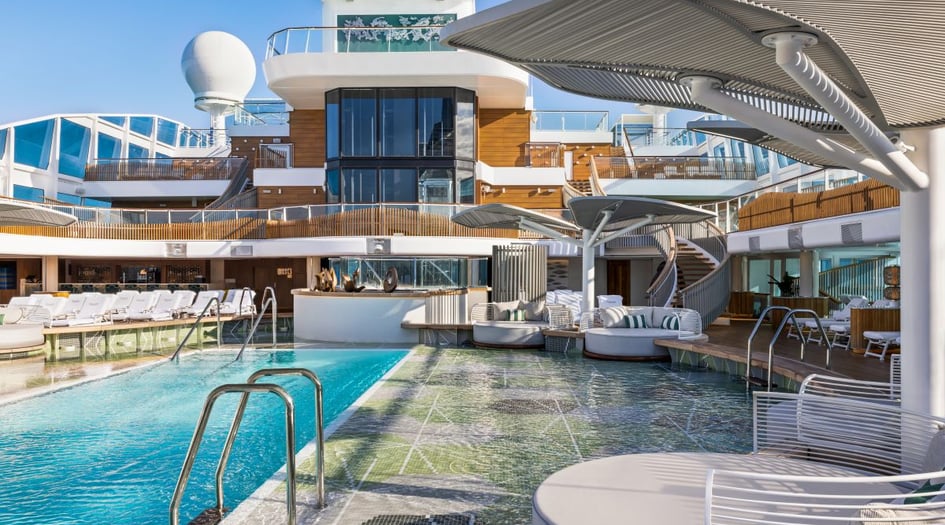
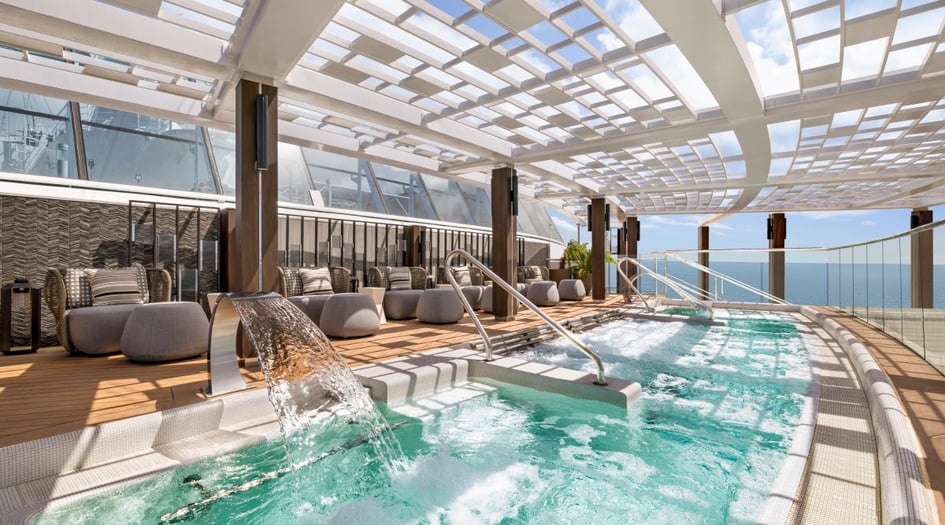
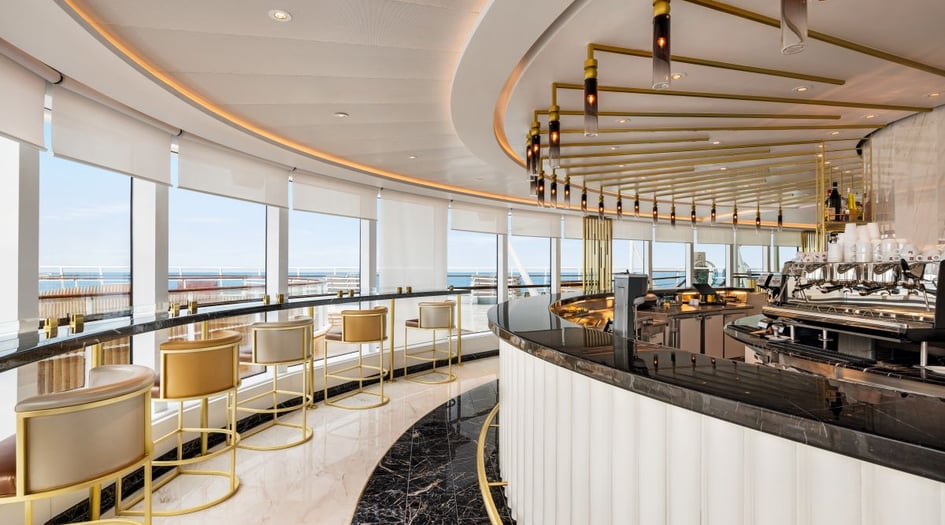
The Allura Class ships promise to enhance and redefine the Oceania onboard experience, with chic residential-style accommodation, all ocean facing with either French or full private balcony, and a plethora of eye-catching public spaces that combine dramatic architectural flourishes with the relaxed intimacy for which Oceania is known. These are also the first Oceania ships to include dedicated staterooms for solo travellers, and you can expect innovative dining venues, a serene spa and a stunning pool deck.
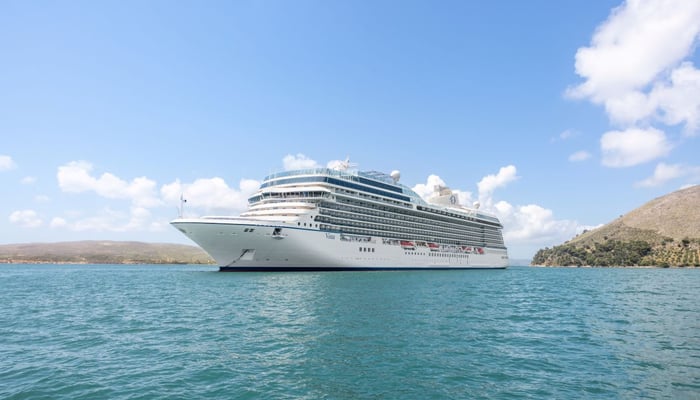
Learn more about Vista
Oceania Vista at sea

inclusions

  • All meals including speciality dining
  • Speciality coffees & teas, soft drinks, juices, water
  • Unlimited WiFi
  • Onboard gratuities
  • Group fitness classes

Tailor-make your trip

Ways to make it better
    • The Langham Auckland

      Where to stay in Auckland

      There are some great luxury lodges within easy reach of the city. In the city itself we like the Langham.
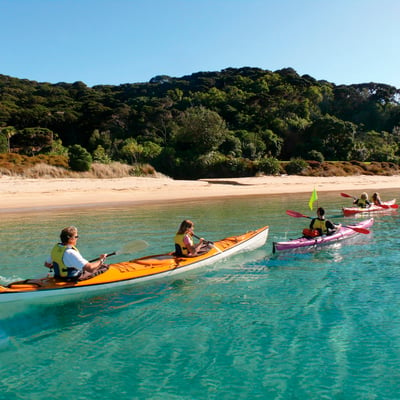
    • Kayaking in the Bay of Islands, New Zealand

      Around Auckland

      About 3 hours north of the city is the Bay of Islands, an area of pristine islands and turquoise water as well as small towns of historic and cultural interest.
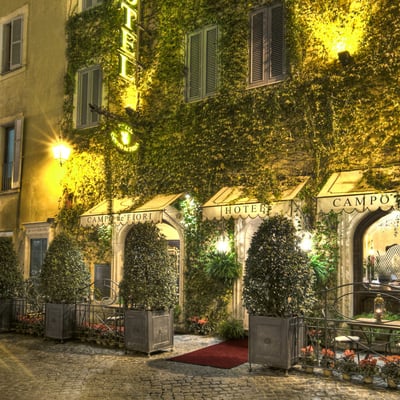
    • Hotel Campo de' Fiori, Rome

      Extend your stay in Rome

      There are so many great hotels but we particularly love the Campo de’ Fiori, for its great location in the centre of everything.
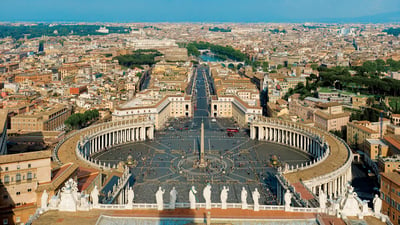
    • The Vatican City, Rome

      Beat the queues

      Get a private guide to help you jump the queues into the Vatican who can whizz you through the galleries to see the essentials and ensure your best view of the Sistine Chapel.

    How can we help?

    Our frequently asked questions

    From cruise tips to travel protection, here are some of our most-asked questions

    visit our faqs

    Will I save by booking with Mundy Cruising?

    Absolutely. You'll save money and time by booking with us rather than directly with the cruise line and enjoy more flexibility in your travel arrangements. We have access to preferential rates and exclusive offers, and we offer expert advice on how to get the best value.

    Can you help with pre and post-cruise arrangements?

    From flights and transfers to hotels and tours, we can help with all your travel needs to make sure your trip is exceptional. What's more, we are members of ABTA and also offer full ATOL protection, not to mention a 24hr emergency contact, so we offer complete peace of mind.

    What are the benefits of a small luxury ship?

    Because small ships are able to reach smaller ports of call and provide a higher level of service than their big ship counterparts, we believe that small ship cruising is the very best way to travel. Usually they offer more space per person, and an attentive team to make sure you have the very best experience. Small ship cruising offers the very best of the best.

    Why Mundy?

    Who we are

    Founded in 1970, we have sold more luxury cruises for more years than anyone else in the UK.

    Mundy Cruising was the very first cruise specialist in the UK. We have been making the best cruise holidays even better since 1970.

    How? Simply by offering our clients more expertise, more personal service, more unique ideas, more fascinating add-ons, more fabulous freebies and more peace of mind.

    More about Mundy

    We're happy to do all of that over the phone. But if you prefer to chat face to face, why not visit us at our comfortable offices on London's High Holborn - we'd be delighted to see you.