Destination Reviews

The mighty Mekong river rises high on the Tibetan Plateau, fed by the melting snow waters of the Himalayas, and runs for about 2,700 miles through China, Myanmar, Laos, Thailand, Cambodia and Vietnam before draining into the South China Sea just south of Ho Chi Minh City (formerly Saigon). Read on for your guide to the Mekong river.
Where is the Mekong River?
Along the way it flows through Vientiane, the capital of Laos, and Phnom Penh, the capital of Cambodia. Near to Phnom Penh, the Sab River connects the Mekong to Tonle Sap, sometimes called the Great Lake, with Siem Reap, home to Angkor Wat, on its north side.
The lower Mekong, which flows through Cambodia and Vietnam, offers visitors a wonderful highway to help them explore this fascinating region, which boasts such diverse peoples, landscapes, and cultures.
Mekong River Cruises: What You'll See
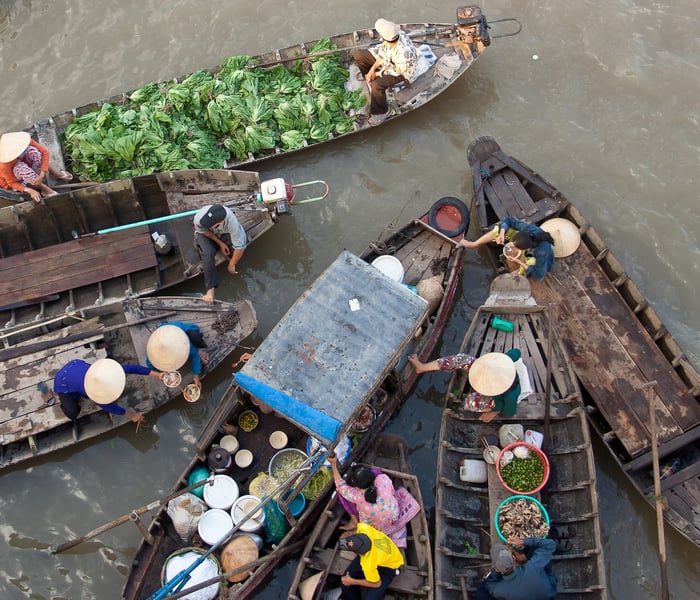
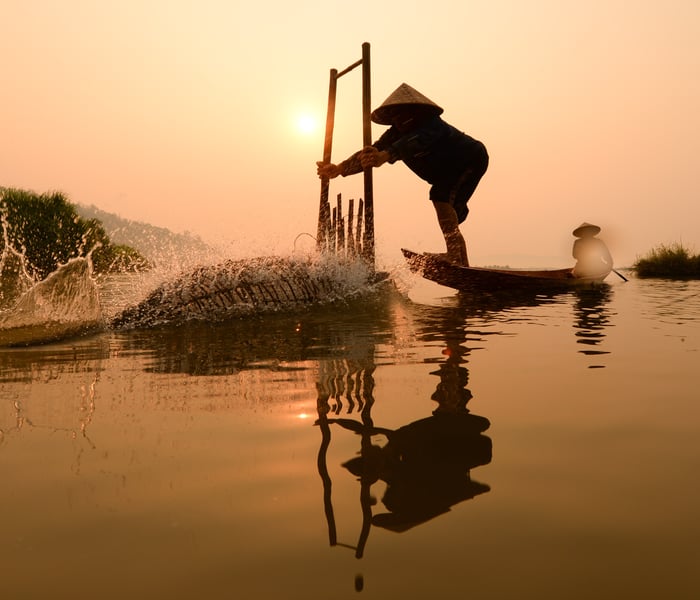
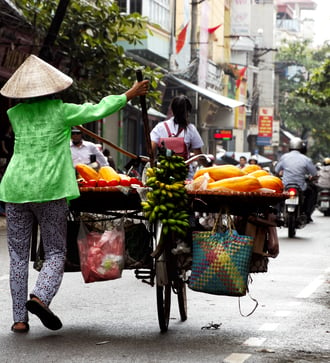
The people here depend on the river for both income and sustenance: they fish in its waters and farm on its shores. The Mekong basin is home to the biggest inland fishery in the world, and as you explore by boat, you will come across numerous fish farms. Throughout Vietnam the busy river, complete with floating markets and constant frenetic activity, is entrancing.
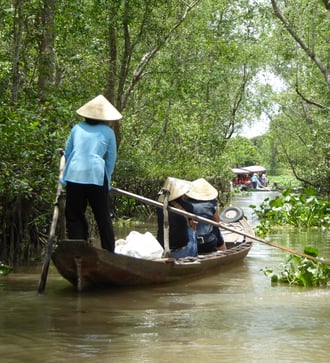
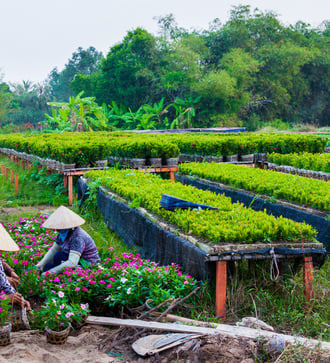
You may visit Cai Be, home to a fascinating floating market - a great place to observe life along the Mekong and learn about the production of rice paper, coconut candy and whisky, and take a trip along the backwaters on a little two-person rowing boat; and the riverfront town of Sa Dec, one of the most appealing destinations in the Mekong Delta, a laid back and peaceful place where boats laden with flowers from the nearby markets ply the waterways, overlooked by beautiful old French colonial villas.
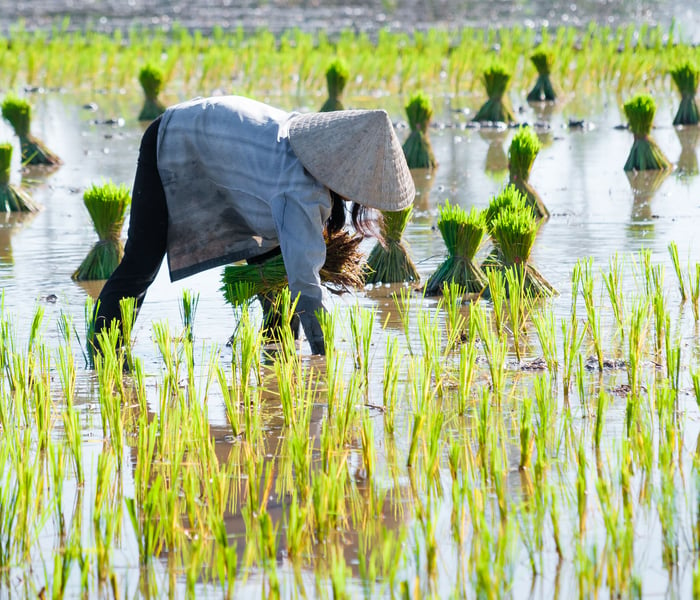
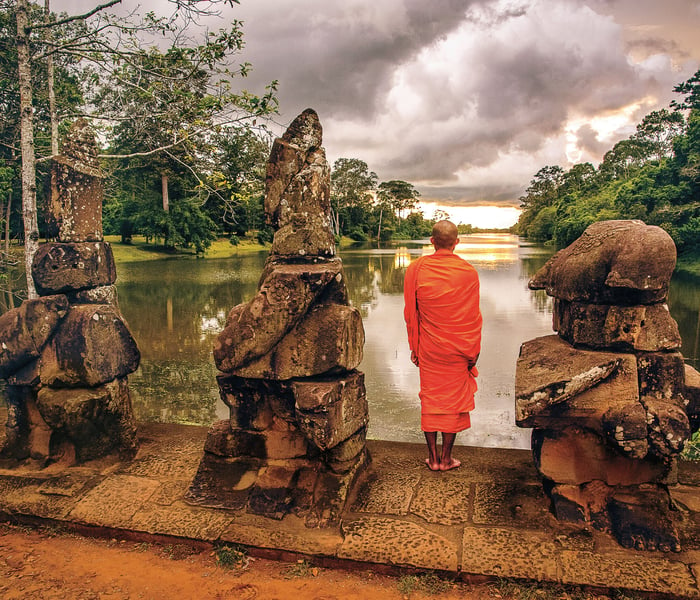
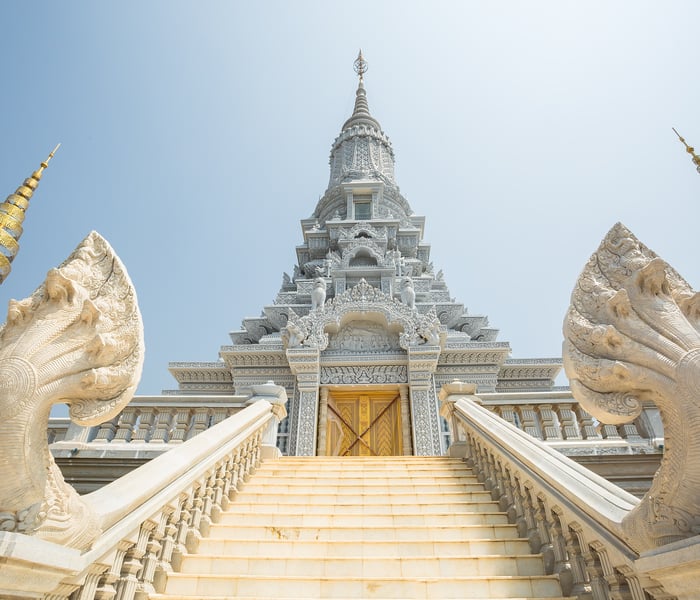
Crossing the border to Cambodia, you immediately notice the difference - here life is led at a more leisurely pace, with farms, settlements and small-holdings looked after by relaxed family groups. This fascinating insight into a rural lifestyle contrasts with the busy town centres, with rich heritage and traditions enriched by 2,000 years of human history. Visit temples and palaces, pagodas and monasteries. Here you can see fascinating architecture, and learn about a whole variety of religions and civilisations.
Call into Oudong, once the capital of Cambodia, which served as the royal residence for over 250 years until it was abandoned by King Norodom in 1866. The twin peaks of Phnom Oudong mountain are scattered with Buddhist stupas, and offer great views of the surrounding countryside. Kampong Cham will give you an insight into life in a provincial Cambodian city, well off the normal tourist trail. Situated on a bend in the Mekong river, the city is known for its quirky bamboo bridge which is rebuilt every year.
The delta region is particularly biologically diverse, home to iconic species such as the Siamese crocodile, the sarus crane, Mekong giant catfish, Mekong stingray and giant ibis. Lucky visitors might catch sight of the magnificent and extremely rare Irrawaddy (Mekong) river dolphin, while the verdant rice fields are worked by hardy humped Brahman oxen.
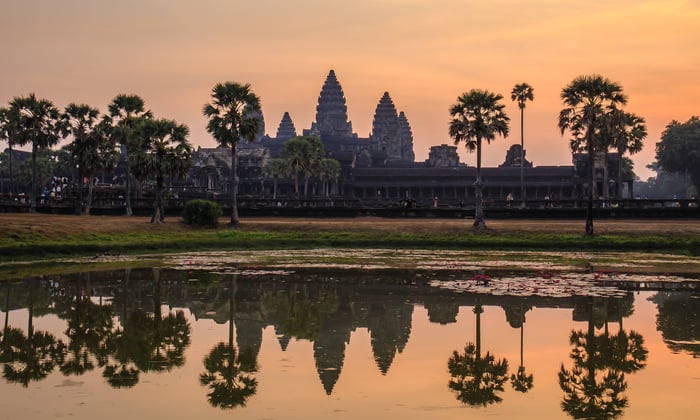
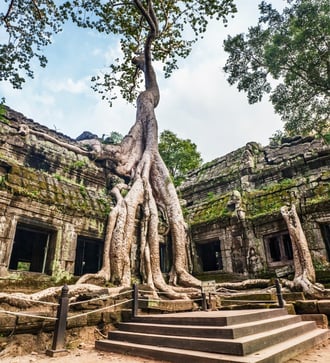
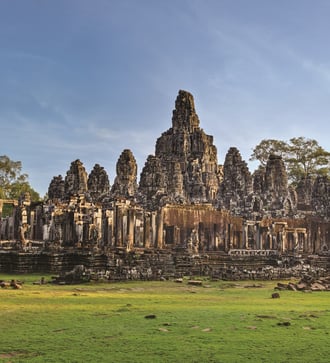
The cities of Siem Reap, Phnom Penh and Ho Chi Minh bear witness to the region's chequered past. The Khmer empire flourished from the 9th to 15th century and ruled over most of mainland South East Asia. Exploring the temple complexes of Angkor Wat and many more from Siem Reap is an extraordinary experience, especially as you learn that this region was the largest pre-industrial urban centre in the world, home to great art, architecture, culture, religions and universities.
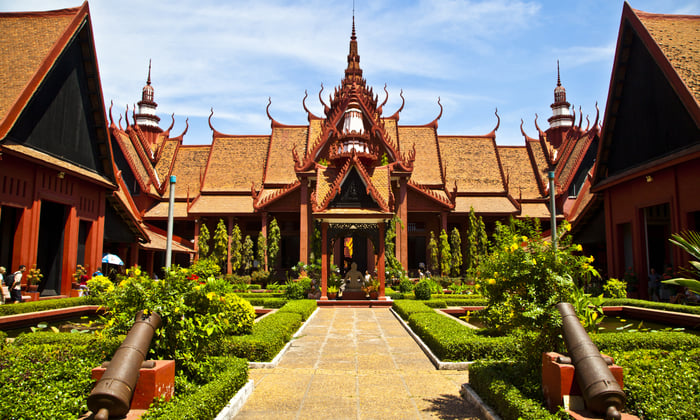
From Phnom Penh you can learn more about Pol Pot's regime, with a sobering visit to Cambodia's infamous Killing Fields and the Khmer Rouge's grim Tuol Sleng S21 detention centre (Genocide Museum). In contrast, the Royal Palace and bustling Central Market, Silver Pagoda and National Museum introduce another face of the city.
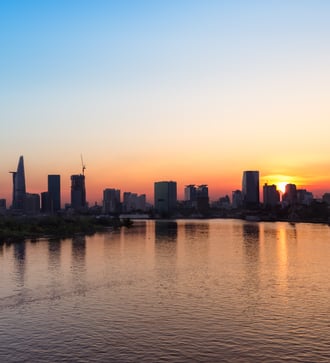
Ho Chi Minh City is a strident and energetic blend of old and new, East and West. French influences mean the coffee is strong and the patisserie excellent. You will take your life into your hands as you cross the teeming roads, exploring the Reunification and War Remnants museums.
Mekong River Cruises: When to Visit
Temperatures are highest in March and April, whilst the 'dry' season is relatively short (November to February), but you can in fact travel on the Mekong for most of the year - some river cruise operators do not sail from April to July, and arguably for good reason. Whenever you go, temperatures will be warm, mainly in the high twenties.
How to Visit the Mekong
Our favourite Mekong cruise itineraries include those offered by Scenic, Viking, Uniworld and AmaWaterways, as well as Aqua Expeditions for more adventurous exploration, most of which sail between Ho Chi Minh and Siem Reap, with many offering preor post-cruise stays to enhance your journey.

Meet the Author

Find a cruise
Mekong river cruises
Scenic River Cruises
Highlights of Vietnam, Cambodia & Luxury Mekong
From Hanoi to Siem Reap
14 Jul - 2 Aug 2026 (19 Nights)
From £9,900 per guest
Scenic River Cruises
Treasures of the Mekong Meandering Cruise
From Ho Chi Minh City to Siem Reap
19 Jul - 2 Aug 2026 (14 Nights)
From £7,350 per guest
Scenic River Cruises
Meandering along the Mekong and Temple Discovery Cruise
From Ho Chi Minh City to Siem Reap
21 Jul - 2 Aug 2026 (12 Nights)
From £6,850 per guest
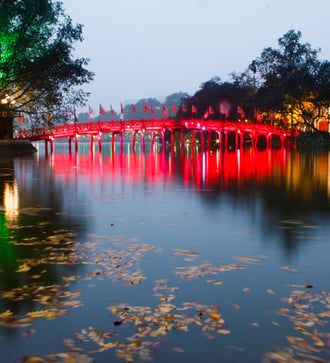
Scenic River Cruises
Highlights of Cambodia, Vietnam & Luxury Mekong
From Hanoi to Ho Chi Minh City
22 Jul - 10 Aug 2026 (19 Nights)
From £9,900 per guest
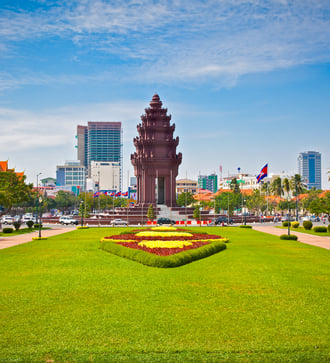
Scenic River Cruises
Temple Discovery and Meandering along the Mekong Cruise
From Siem Reap to Ho Chi Minh City
27 Jul - 8 Aug 2026 (12 Nights)
From £6,850 per guest
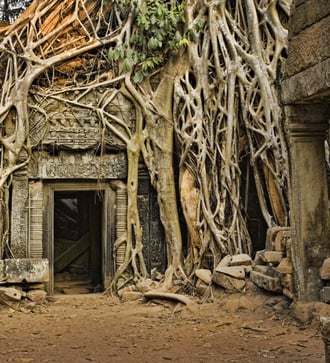
Scenic River Cruises
Treasures of the Mekong Meandering Cruise
From Siem Reap to Ho Chi Minh City
27 Jul - 10 Aug 2026 (14 Nights)
From £7,350 per guest
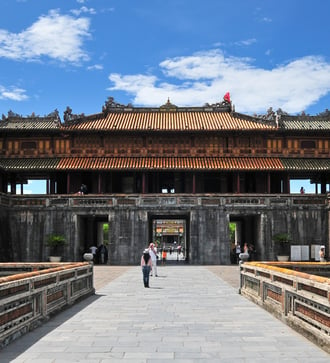
Scenic River Cruises
Essence of Vietnam, Cambodia & Luxury Mekong
From Hanoi to Siem Reap
28 Jul - 20 Aug 2026 (23 Nights)
From £10,850 per guest
Scenic River Cruises
Essence of Cambodia, Vietnam & Luxury Mekong
From Hanoi to Ho Chi Minh City
5 Aug - 28 Aug 2026 (23 Nights)
From £10,850 per guest
Scenic River Cruises
Treasures of the Mekong Meandering Cruise
From Ho Chi Minh City to Siem Reap
6 Aug - 20 Aug 2026 (14 Nights)
From £7,350 per guest
Scenic River Cruises
Meandering along the Mekong and Temple Discovery Cruise
From Ho Chi Minh City to Siem Reap
8 Aug - 20 Aug 2026 (12 Nights)
From £6,850 per guest
AmaWaterways
Charms of the Mekong
From Ho Chi Minh City to Siem Reap
10 Aug - 17 Aug 2026 (7 Nights)
From £3,804 per guest
Scenic River Cruises
Temple Discovery and Meandering along the Mekong Cruise
From Siem Reap to Ho Chi Minh City
14 Aug - 26 Aug 2026 (12 Nights)
From £6,850 per guest
Related articles