Costa Rica packs extraordinary wildlife, rainforest and volcanic landscape into a very small country. A cruise here gives you daily access to national parks, cloud forests and the Pacific coastline, with small ships reaching ports that bigger vessels cannot. Most itineraries include a transit of the Panama Canal, famous for being one of the great spectacles in cruising.
Costa Rica & Panama Canal Small Ship Cruises

Find a cruise
Our top picks
Crystal Cruises
Vancouver to New York City
From Vancouver to New York
17 Aug - 25 Sep 2026 (39 Nights)
From £13,778 per guest
Crystal Cruises
San Diego to Guayaquil
From San Diego to Guayaquil
24 Aug - 5 Sep 2026 (12 Nights)
From £3,813 per guest
Crystal Cruises
San Diego to New York City
From San Diego to New York
24 Aug - 25 Sep 2026 (32 Nights)
From £10,162 per guest
Crystal Cruises
Guayaquil to San Juan
From Guayaquil to San Juan
5 Sep - 14 Sep 2026 (9 Nights)
From £3,148 per guest
Our Insight
Highlights of a Costa Rica and Panama Canal cruise
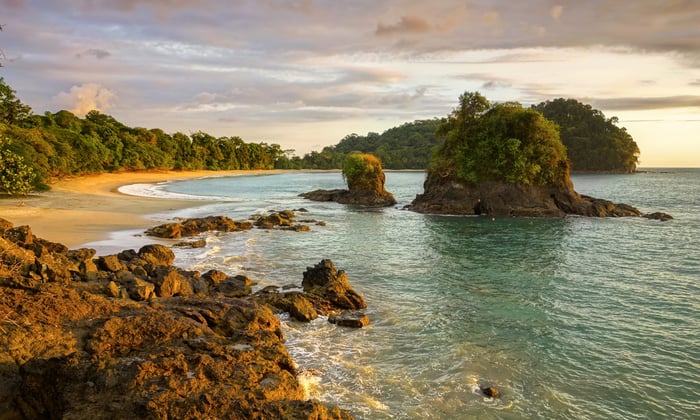
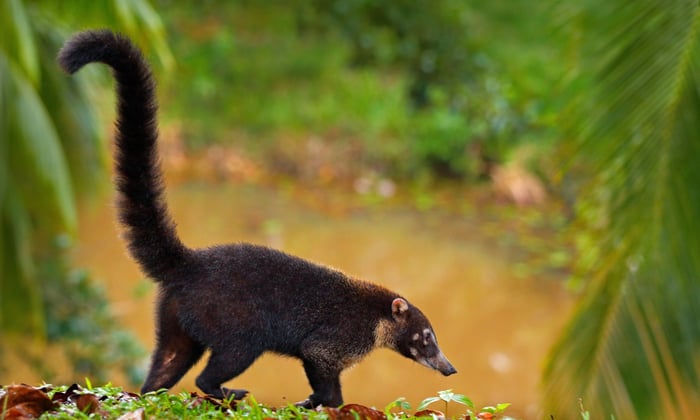
Manuel Antonio National Park is the highlight for many travellers: it's compact, walkable and reliably rewarding for wildlife even on a short visit. Monkeys, sloths and iguanas are seen on most guided walks. Further south, the Golfo Dulce and the Osa Peninsula are wilder and quieter, with some of the richest biodiversity on earth. Scarlet macaws overhead, dolphins in the water, primary rainforest running down to the shore.
The Panama Canal transit is a day you'll remember forever. Watching your ship rise through the lock chambers alongside cargo vessels, with jungle pressing in on both sides, is unlike anything else in cruising. The lock system lifts you from one ocean to another across 51 miles of channels, lakes and tropical forest.
Costa Rica suits those who enjoy wildlife, walking and being outdoors. The days are active, with guided excursions into rainforest and national parks. If you want to wake up to the sound of the jungle and spend your days on forest trails, it is exceptional.
The small ship difference in Costa Rica and the Panama Canal
Costa Rica's Pacific coast has very little cruise infrastructure. The ports that give you the best access to national parks and wildlife are small, shallow and only accessible by smaller vessels. A small ship can anchor in these bays, run Zodiac or tender transfers to the shore and get you into the parks before the day-trip crowds arrive.
Larger ships call at commercial ports further from the best wildlife areas and require longer transfers. Small ship itineraries also tend to include expert-led nature walks and wildlife spotting excursions. The guides make a real difference: a good naturalist will spot the sloth, the tree frog and the snake that you would walk straight past.
Luxury Costa Rica and Panama Canal cruise itineraries
- 7-10 nights: Dedicated Costa Rica and Panama voyages, typically sailing between Colon (Atlantic entrance to the canal) and the Pacific coast of Costa Rica. Daily wildlife excursions, national park visits and a full canal transit.
- 14-21 nights: Longer Panama Canal transit itineraries, often starting and finishing in Florida and California. The canal is the centrepiece, with calls at Costa Rica, Colombia and sometimes Belize or Guatemala along the way.
- Land extensions: Several lines offer pre- or post-cruise programmes to Monteverde Cloud Forest, Arenal Volcano or the Tortuguero canals on the Caribbean side. Worth the extra days if you have time.
- Important note: When choosing a Panama Canal cruise, look for a daylight transit and confirm the ship travels all the way to the Pacific rather than turning around at Gatun Lake. Some ships transit at night, which means you miss the experience entirely.
Luxury cruise lines sailing Costa Rica and the Panama Canal
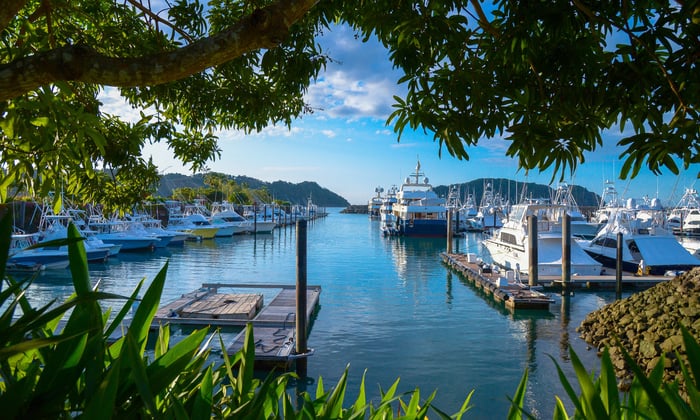
Windstar is our most recommended line for this region. They offer dedicated Costa Rica and Panama Canal itineraries on several ships including Wind Star, Star Legend and Star Pride, with daylight canal transits narrated by an onboard expert. Windstar's 7-night Costa Rica and the Panama Canal voyage is an excellent introduction, and their Naturally Costa Rica itinerary focuses more on the wildlife and national parks. Land programmes to Monteverde, Arenal and now Machu Picchu can be added. The ships are small enough to reach the best ports and the atmosphere on board is relaxed and sociable.
Ponant offers varying Costa Rica and Panama Canal itineraries, several in conjunction with Smithsonian Journeys, which adds a scientific and cultural dimension including visits to the Smithsonian Tropical Research Institute in Panama. Ponant's Explorer Yachts also extend into Belize and Guatemala on some departures, giving you a broader Central American itinerary with a more refined onboard experience.
Explora Journeys, Regent Seven Seas and Seabourn all offer Panama Canal itineraries of varying lengths, typically as part of longer repositioning or seasonal voyages. These tend to combine the canal transit with Caribbean and sometimes South American calls, and suit travellers who want the canal experience within a broader luxury cruise rather than a dedicated Costa Rica wildlife voyage.
When is the best time to cruise Costa Rica and the Panama Canal?
November to April is the dry season on the Pacific coast and the main cruise season. Temperatures sit around 26 to 28 degrees year-round, with the driest weather from December to March. The rainforest is always humid and can produce afternoon showers even in the dry season, which keeps everything green and the wildlife active.
Travel tips and FAQs for Costa Rica and Panama Canal cruising
How do I get to Costa Rica from the UK?
There are no direct flights. Fly via the US (Miami or Houston are the most common connections) or via Madrid or Amsterdam to avoid US immigration. Flight time is 14 to 16 hours depending on the stopover. Some itineraries start in Florida or California, which can simplify the routing.
Should I choose a daylight or overnight Panama Canal transit?
Daylight, without question. Watching your ship rise through the locks with jungle on both sides is one of the highlights of any cruise, and it only works if you can see it. Always check the transit timing before booking.
What should I pack for a Costa Rica cruise?
Lightweight breathable clothing and a good rain jacket. The rainforest is humid and can produce showers at any time. Sturdy walking shoes for forest trails, sun protection and insect repellent. Binoculars and a good camera for wildlife spotting.
What happens on a typical day?
Most days are built around guided excursions ashore. You might spend a morning walking trails in a national park with a naturalist guide, spotting monkeys, sloths and birdlife, then return to the ship for lunch. Some itineraries include kayaking, snorkelling or zip-lining as options.
Is Costa Rica good for families?
Yes, particularly for families with older children who enjoy wildlife and outdoor activities. The national parks are accessible and rewarding, the wildlife is abundant and visible, and the guided nature walks are engaging for curious children.
Can I extend a Costa Rica cruise with time on land?
Yes, and we recommend it. Monteverde Cloud Forest and Arenal Volcano are both within reach of San Jose and worth two to three days. The Tortuguero canals on the Caribbean coast offer a completely different experience with river channels through dense jungle.
How does Costa Rica compare to a Caribbean cruise?
Very different. A Caribbean cruise is typically about beaches, island hopping and relaxation. A Costa Rica and Panama Canal cruise is about wildlife, rainforest and one of the great engineering feats of the modern world. The days are more active and nature-focused.
What our clients say
“Everything worked like clockwork and the bonus is that you have a dedicated advisor who is like a friend with a wealth of information.”Mrs Shields
collections
You may also like

Caribbean
Due to its warm seas, delightful islands, picturesque bays and stunning beaches, a Caribbean cruise remains the firm favourite for those wishing to enjoy winter sun in true luxury.

Panama Canal
This amazing feat of engineering is a highlight in itself, but as well as transiting this astonishing waterway you can also explore the fascinating countries which surround it.

Galapagos
Way out in the Pacific Ocean, the Galapagos Islands are home to an incredible array of species, from startling blue footed boobies to lumbering giant tortoises. Travelling to the Galapagos feels like a real privilege, and a cruise is the perfect to explore this remarkable destination.