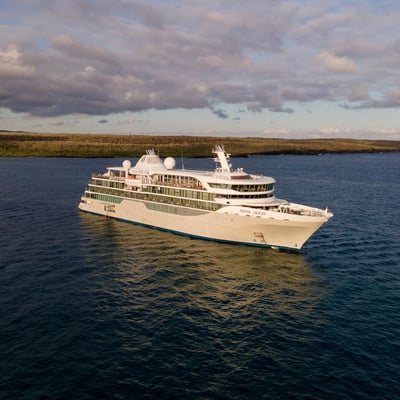
The Galapagos is one of the few places on earth where wildlife genuinely does not care that you are there. Animals do not flee, do not flinch and do not perform. They simply carry on and you walk among them. A cruise is the only practical way to see the archipelago properly and the ships that operate here are small by regulation, with a maximum of 100 guests. Silversea's Silver Origin is the most luxurious option in these waters and the ship we know best.
Galápagos Islands Small Ship Cruises

Find a cruise
Our top picks
Silversea Cruises
San Cristóbal to San Cristóbal
From San Cristóbal Island to San Cristóbal Island
27 Jun - 4 Jul 2026 (7 Nights)
From £10,600 per guest
Silversea Cruises
San Cristóbal to San Cristóbal
From San Cristóbal Island to San Cristóbal Island
4 Jul - 11 Jul 2026 (7 Nights)
From £10,260 per guest
Silversea Cruises
San Cristóbal to San Cristóbal
From San Cristóbal Island to San Cristóbal Island
11 Jul - 18 Jul 2026 (7 Nights)
From £17,400 per guest
Silversea Cruises
San Cristóbal to San Cristóbal
From San Cristóbal Island to San Cristóbal Island
18 Jul - 25 Jul 2026 (7 Nights)
From £9,800 per guest
Our Insight
Highlights of a luxury Galapagos cruise
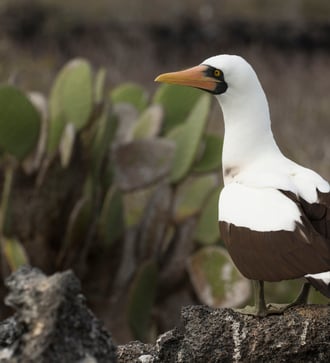
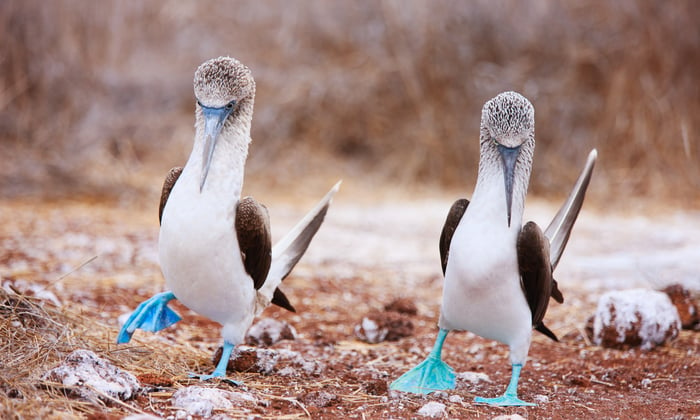
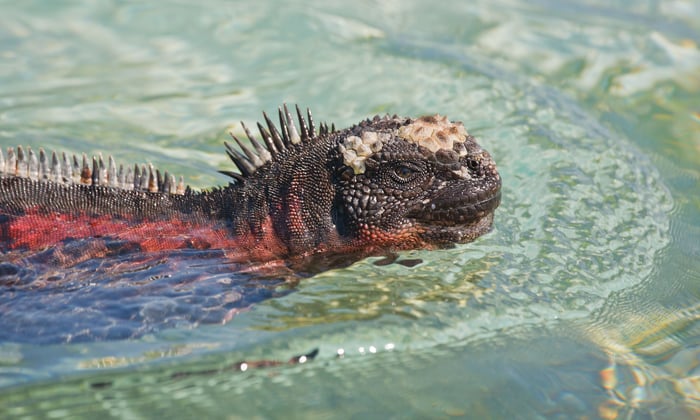
Blue-footed boobies performing their courtship dance a few feet from where you stand. Sea lions sprawled across the landing beach, barely lifting their heads as you step past. Marine iguanas covering the rocks in clusters, sneezing salt spray into the air. Giant tortoises moving through highland grass with a slowness that makes you recalibrate your own pace.
Every landing brings you close encounters with species found nowhere else on earth: waved albatross on Espanola, flightless cormorants on Fernandina, land iguanas basking on North Seymour. The snorkelling is exceptional. At certain sites you may even swim alongside sea lions, penguins and reef sharks within minutes of entering the water.
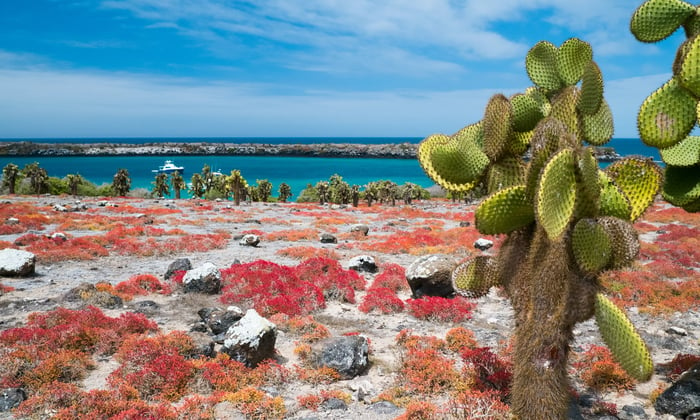
What makes it work is the naturalist programme. Expert guides that turn each landing into a lesson in evolution, ecology and conservation. You start to see patterns, notice behaviours and understand why Darwin's time here changed everything. The islands themselves are visually extraordinary: Bartolome's volcanic pinnacle, the red cliffs of Rabida, the otherworldly lava fields of Sullivan Bay. The light at this latitude is something else entirely.
The Galapagos suits those who want to immerse themselves in wildlife and the natural world. You need to be reasonably active: landings are by Zodiac, terrain is uneven and the best experiences come from being willing to hike, snorkel and get wet.
The small ship difference in the Galapagos
Every ship in the Galapagos is small. Ecuadorian law requires it and the National Park limits landing groups to 16 guests per naturalist guide, with no more than 100 visitors ashore at any site at one time. The experience is intimate by design. You land on beaches in small groups, walk through wildlife colonies at close quarters and snorkel in waters that are not shared with hundreds of other visitors.
The difference between ships is not just about size but about comfort, guiding quality and the level of service on board. The most luxurious vessels carry around 100 guests with crew ratios closer to a luxury hotel than a traditional expedition ship.
Luxury Galapagos cruise itineraries
- 7 nights - The standard Galapagos itinerary, covering the central and southern islands with a strong mix of wildlife landings and snorkelling. An additional stay is included in Quito and charter flights to the islands are provided.
- 10-11 nights - A handful of longer voyages reach further north and west across the archipelago. More time for remote islands like Fernandina and Genovesa and a deeper immersion in the wildlife programme.
- Combined itineraries - Silversea alternate their 7-night itineraries, meaning you can combine them to make a 14 night cruise with very little repeat. The Galapagos also combines well with mainland Ecuador or Peru. Quito's UNESCO-listed old town, the cloud forests, Amazon lodges or Machu Picchu all work as extensions before or after the cruise.
Cruising the Galapagos with Silversea
Silver Origin is the most luxurious ship in the Galapagos. Purpose-built for these waters and launched in 2021, it carries 100 guests and combines Silversea's signature service with an expedition focus. Every suite has ocean views from the balcony, butler service is standard and the crew of 90 local staff bring an Ecuadorian warmth to the experience. On board, the atmosphere balances comfort with curiosity: expert naturalist briefings each evening, a well-stocked library, an outdoor observation deck and a firepit for watching the equatorial stars.
For those interested in exploring other Galapagos cruise options, including smaller yachts and expedition vessels from other operators, our sister company Mundy Adventures offers a wider selection of Galapagos sailings with detailed guidance on the full range of ships and itineraries available.
The best time to cruise the Galapagos
The Galapagos is a year-round destination. Very few species here are migratory, so the iconic wildlife is present every month.
From June to December, the cooler Humboldt Current flows north, bringing cooler water temperatures, mist on the highlands and excellent conditions for marine life and snorkelling.
From December to May, the water is warmer, the skies are cloudier with afternoon showers and the highland vegetation turns green and lush. Each season brings different wildlife behaviour, from albatross courtship to sea lion pupping, so the best time depends on what you most want to see.
Travel tips and FAQs for Galapagos cruising
How do I get to the Galapagos from the UK?
There are no direct flights. You fly to Quito or Guayaquil in Ecuador, usually via a US hub (Miami or Houston) or a European connection (Amsterdam or Madrid). Most cruise packages include a pre-cruise stay in Quito and charter flights to the islands, which simplifies the journey considerably.
Do I need to be fit for a Galapagos cruise?
You need to be reasonably active. Landings are by Zodiac, which means stepping in and out of a rubber boat, sometimes in the surf. Terrain ashore is uneven, with lava rock, sand and steep paths. Snorkelling significantly enhances the experience, so being comfortable in the water is a real advantage.
What should I pack for the Galapagos?
Sturdy shoes for hiking on lava, a good camera, binoculars and serious sun protection: high-factor sunscreen, a hat and polarised sunglasses. A dry bag for Zodiac rides, lightweight breathable clothing and a light jacket for cooler evenings. Snorkelling equipment is provided on board.
What does a typical day look like on a Galapagos cruise?
Early starts are the norm. You head ashore by Zodiac for a morning landing accompanied by a naturalist guide. You return to the ship mid to late morning. After lunch there is time to relax before the afternoon excursion, which might be another landing, a snorkel or a Zodiac ride along the coast. Each evening the naturalist team briefs you on the following day.
Is the Galapagos good for families?
Yes, for older children. We recommend it from around age eight upward. Children who are curious about animals and comfortable with physical activity will find it extraordinary. Younger children may struggle with the early starts, Zodiac landings and walking distances.
Can I combine the Galapagos with mainland Ecuador or Peru?
Yes, and we would encourage it. Quito is a fascinating city worth more than a quick overnight trip. Ecuador's cloud forests and Amazon lodges are within easy reach. Peru is a natural extension, with Machu Picchu, the Sacred Valley and Lima all combining well with a Galapagos cruise.
Is the Galapagos worth the cost?
The Galapagos is not an inexpensive destination. Between flights, park fees and the cruise itself, it represents a significant investment. But the experience is genuinely unlike anything else. The wildlife access, the quality of the guiding, the landscapes and the sense of being somewhere truly protected make it one of the most rewarding trips we recommend.
What our clients say
“The wildlife and sunsets far surpassed our expectations. A wonderful holiday I will never forget.”Mrs Wells
collections
You may also like

Costa Rica & the Panama Canal
Costa Rica may be small but it packs a lot in, with volcanoes, beaches, a fascinating cloud forest and the greatest concentration of species on earth.

Panama Canal
This amazing feat of engineering is a highlight in itself, but as well as transiting this astonishing waterway you can also explore the fascinating countries which surround it.

Sea of Cortez
The little known Sea of Cortez is Mexico’s best kept secret, home to a wealth of marine life including a wide variety of whale species.