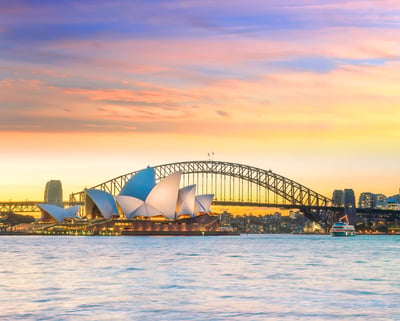
Almost everything that defines Australia sits within sight of the ocean. The cities, the reefs, the wildlife and the wildest stretches of coast all face the sea. Small ships reach these places, from Sydney Harbour to the red cliffs of the Kimberley.
Australia Small Ship Cruises

Find a cruise
Our top picks
Ponant Explorations
Australia's Iconic Kimberley
From Broome to Darwin
22 Jul - 1 Aug 2026 (10 Nights)
From £10,800 per guest
Silversea Cruises
Broome to Darwin
From Broome to Darwin
24 Jul - 3 Aug 2026 (10 Nights)
From £8,370 per guest
Ponant Explorations
Australia’s West Coast Odyssey
From Broome to Fremantle (Perth)
26 Jul - 9 Aug 2026 (14 Nights)
From £10,020 per guest
Ponant Explorations
Australia's Iconic Kimberley
From Darwin to Broome
1 Aug - 11 Aug 2026 (10 Nights)
From £22,070 per guest
Our Insight
Highlights of a luxury Australia cruise
Sydney Harbour opening ahead of you at first light, the Opera House catching the sun, ferries already crossing below the bridge. Melbourne with its laneways, galleries and restaurants that reward those who slow down. The south coast's empty surf beaches and sandstone cliffs.
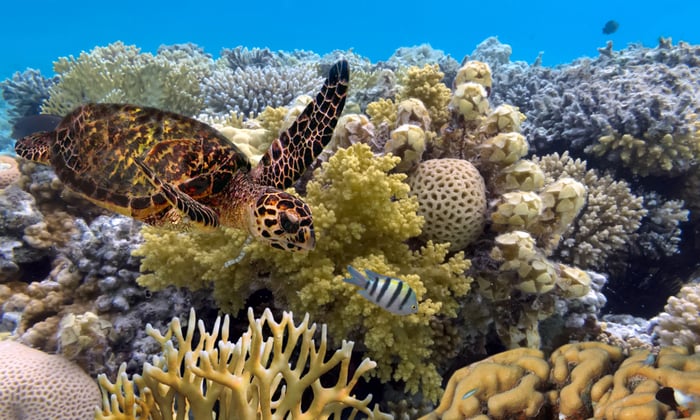
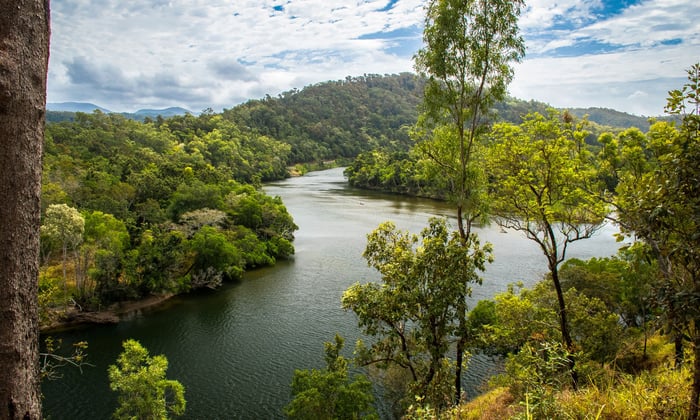
Head north and the mood shifts. The Great Barrier Reef brings warm water, coral colour and marine life in extraordinary variety. The Whitsunday Islands are scattered across turquoise shallows with white sand beaches and sheltered anchorages. Cairns is a gateway to tropical rainforest at Cape Tribulation, where the canopy meets the shore.
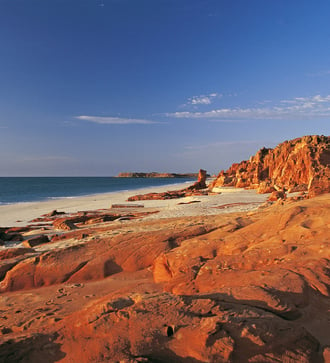
The Kimberley is something else entirely. Waterfalls pour from red cliffs into tidal pools. Ancient rock art sits in sheltered gorges. The tides here are among the strongest on the planet, reshaping the landscape twice a day. It is one of the most extraordinary coastal experiences anywhere in the world.
Tasmania feels like a different country, altogether. With cooler air, dense ancient forest, Hobart's working waterfront and the unmissable MONA gallery. Small ships reach the quieter bays that make Tasmania feel genuinely untouched.
The small ship difference in Australia
Australia makes the case for small ships so well. The most remarkable parts of the coastline, the Kimberley, the reef islands, the remote Tasmanian shore, have no port infrastructure at all. No cruise terminals, no tender piers, no shuttle buses. You reach them by Zodiac, by landing craft or by stepping onto a beach from a sheltered anchorage.
Small ships tuck into narrow inlets, navigate shallow reef passages and anchor close enough to walk straight into the landscape. Larger ships are limited to Sydney, Melbourne and Brisbane, where terminals exist. They miss the stretches of coast that give Australia its edge.
Luxury small ship Australia cruise itineraries
- 7-10 nights - Southern routes connecting Sydney, Melbourne and Tasmania, with some continuing to Adelaide or across to New Zealand. Enough time to see the highlights of one region without rushing.
- 10-14 nights - Kimberley voyages between Broome and Darwin, or northern itineraries focused on the Great Barrier Reef and Queensland coast. The longer format suits the scale and remoteness.
- Repositioning voyages - Longer journeys linking Australia to Bali, Singapore or the South Pacific. Real distance covered, with the pleasure of watching the coastline and climate shift over weeks.
Luxury cruise lines sailing Australia
Australia attracts a strong mix of luxury and expedition cruise lines, each with a different approach to the coastline. Some focus on the southern and eastern cities, others specialise in remote wilderness itineraries in the Kimberley and the reef. The best way to compare options is to explore our Australia cruises or speak to us for tailored recommendations, but a selection of those we'd recommend for an Australia cruise are:
- Seabourn - For an incredible Kimberley expedition programme. See the itineraries
- Ponant - Offer Kimberley expeditions with some voyages stretching along Western Australia's beautiful coast. See the itineraries
- Silversea - Classic cruises along Australia's east coast and an expeditions to the Kimberley means plenty of variety. See the itineraries
- Regent Seven Seas - Regular visitors to the region with a huge choice of itinerary options sometime include a complete around Australia route on a single voyage. See the itineraries
You can explore our cruise line partners and read trip reports from Mundy consultants who have travelled these waters and know the difference that ship, route and timing make.
The best time to cruise Australia
Australia spans climatic zones, so timing depends on where you want to go.
- The southern and eastern coasts, including Sydney, Melbourne and Tasmania, are best from October to April when days are long and warm.
- The Kimberley and tropical north are best from May to September during the dry season, when skies are clear and wildlife is concentrated around water.
- The Great Barrier Reef is accessible year-round but is at its warmest from November to March.
Every season opens a different part of the coastline.
Travel tips and FAQs for Australia cruising
Is Australia a good destination for first-time cruisers?
Yes, with a caveat. The major ports are well set up, English is spoken everywhere and the day-to-day experience is straightforward. But if your first cruise is a Kimberley expedition, expect something more active and outdoors-focused than a typical luxury sailing. For a gentler introduction, a southern coastal itinerary between Sydney, Melbourne and Tasmania is a better starting point.
How long should I allow for the flight?
Flights from the UK take around 22 to 24 hours with one stop. We always recommend arriving a day or two before your cruise to adjust and enjoy the embarkation city. Sydney, Melbourne and Broome all reward extra time on the ground.
Can I combine a cruise with time on land?
Absolutely. Many guests add a few nights in Sydney or Melbourne before or after their cruise. A visit to Uluru and the Red Centre is a popular addition and gives you an experience of a completely different side of the country that cruising cannot reach.
What is the Kimberley like compared to a coastal cruise?
Very different. Kimberley voyages are expedition-style, with Zodiac landings, wildlife encounters and remote wilderness rather than city ports and cultural stops. The ships are smaller and the focus is on nature, geology and Indigenous heritage. It is one of the most extraordinary coastal experiences anywhere in the world.
Do I need a visa for Australia?
UK citizens need an ETA (Electronic Travel Authority), which is straightforward to arrange online before you travel. Your Mundy consultant can advise on this as part of your booking.
Is the Great Barrier Reef still worth visiting?
Yes. The reef remains one of the most remarkable natural environments on the planet. Coral health varies by section, and small ships can access the healthiest, least-visited outer reef areas. Snorkelling and diving conditions are excellent, particularly from the Whitsundays northward.
How does an Australia cruise compare to the Mediterranean or Northern Europe?
The rhythm is different. You are not stepping off the ship into cobbled old towns or busy harbours every morning. Australia is about landscape, wildlife and distance. Days at sea feel purposeful and port stops often involve nature rather than culture. If you are used to European itineraries and want something that feels genuinely different, Australia delivers that.
Can routes vary significantly?
Yes. Some itineraries stay within one region, such as the Kimberley or the southeast coast. Others link several regions or cross to New Zealand, Bali or the South Pacific. The range of options means you can tailor the trip to match your interests and pace.
What our clients say
“They are very well informed about each cruise line and itinerary. That means their advice is very trustworthy.”Mr Adair
collections
You may also like

New Zealand
New Zealand is a spectacularly beautiful country, a land of rugged mountain landscapes and breathtaking fjords, with a pleasant, temperate climate and an intriguing indigenous culture.

Southern Africa
South Africa is one of the world's most beguiling destinations, from the top of Table Mountain to the rolling hills of Kwazulu-Natal. The 'Rainbow Nation' is perhaps best known for its wildlife, but it's also home to vibrant cities, breathtaking scenery, some world class wineries, and a fascinating but violent and often heartbreaking history.

Brazil & Argentina
Brazil and Argentina, the two largest countries in South America, boast some of the continent’s biggest draws, from the vibrant cities of Rio de Janeiro and Buenos Aires to the magnificent Iguazu Falls.