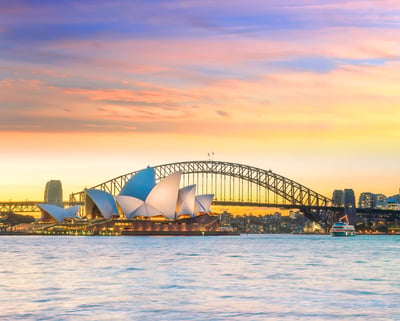
Brazil and Argentina small ship cruises link two of South America's most distinctive cities with a run of relaxed coastal ports in between. Journeys balance culture-heavy cities with beach and island days, creating a clear sense of movement from south to north or vice versa. Carnival timing adds another layer for sailings that finish or linger in Rio, with a Rio Carnival cruise offering a front-row seat to the main event.
Brazil & Argentina Small Ship Cruises

Find a cruise
Our top picks

Seabourn Cruises
16-Day Trinidad To Rio: South American Expedition
From Bridgetown to Rio de Janeiro
12 Oct - 30 Oct 2026 (18 Nights)
From £7,198 per guest
Ponant Explorations
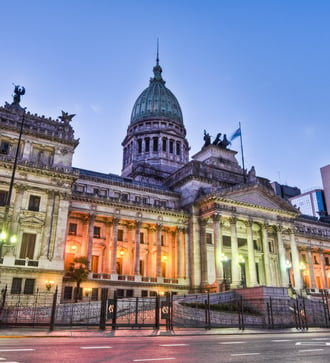
Ocean Voyage: Lisbonne - Buenos Aires
From Lisbon to Buenos Aires
24 Oct - 12 Nov 2026 (19 Nights)
From £4,880 per guest
Seabourn Cruises
21-Day Wild South Atlantic & Antarctic Peninsula
From Rio de Janeiro to Buenos Aires
29 Oct - 19 Nov 2026 (21 Nights)
From £13,198 per guest
Windstar Cruises
Star Collector: Southern Spain & Canary Islands
From Barcelona to Santa Cruz de Tenerife
30 Oct - 17 Nov 2026 (18 Nights)
From £5,407 per guest
Our Insight
Highlights of a luxury Brazil and Argentina cruise
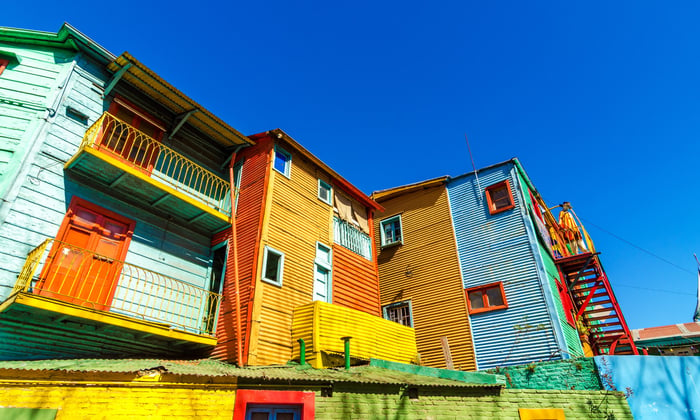
Buenos Aires is built for living well. Most days start with the hiss of espresso machines, the smell of grilled beef drifting out of open doorways, locals debating football over newspapers. Late afternoons fill with the sound of tango echoing through La Boca, and neon lights spark on as night falls. Eating here is an event - steakhouse lunches that go on for hours, street food grabbed between galleries, wine poured in hidden courtyards. The city draws you out late, with no pressure to leave early.
Punta del Este flips the mood. Here, sand gets into your shoes, the air feels lighter, and the promenade is made for wandering. Cafés spill onto pavements and breeze carries the scent of sea and sunscreen. Most visitors walk straight to the beach, pausing for grilled fish or a cold drink in a local bar. It is a perfect contrast to the city's buzz-slow, sunny, easy.
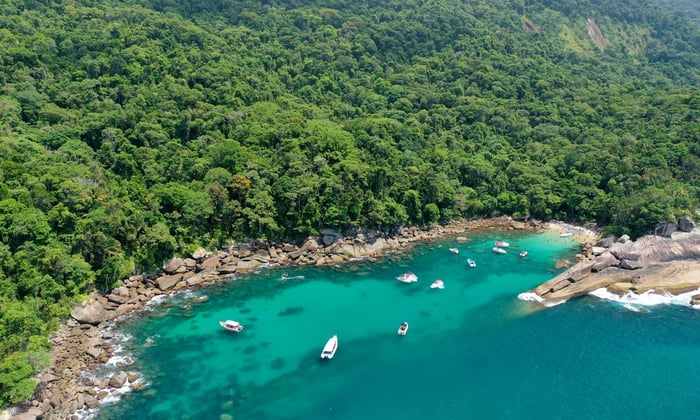
Ilhabela and Ilha Grande push you into wildness. Waterfalls crash just beyond the beach. Monkeys move in the trees. Trails wind through green that smells sharp and clean after rain. Swim in water so clear you see every rock below. Some days are about hiking, others about finding a quiet stretch of sand with nobody nearby.
Búzios, all pastel houses and shaded streets, pulls you into its rhythm. Mornings are for exploring boutiques, afternoons for long seafood lunches. Evenings bring a cool breeze and a slow drift back towards the harbour.
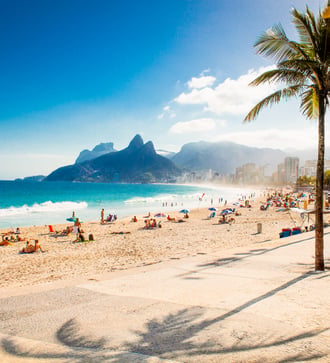
In Rio, when you arrive by ship, mountains set the backdrop. City lights flicker as you dock. If your timing matches Carnival, everything feels louder, faster and more vivid. Each day in port is an open invitation to explore.

The small ship difference in Brazil and Argentina
Small ships turn this region into a real experience. Most days begin quietly, stepping off a tender then onto soft sand or a cobbled quay. No waiting for queues to clear, no shuttle buses from the edge of town. In Ilhabela or Ilha Grande, you cross a few wooden boards and find rainforest close enough to touch, birds calling from somewhere you can't see. The air changes with each stop: sometimes salty near the coast, sometimes heavy with heat, and often green and fresh after rain.
Onboard, the mood is social but never crowded. Conversations run long over open-deck breakfast, guides share context before you land, and the crew remember your name by the second day. It's easy to join a group for an island walk or peel away to read on deck, watching fishing boats drift past.
Big ship routines don't dictate your days here. You have time to linger over a market lunch in Rio, enjoy the view from a calm bay, or a slow wander along Búzios' boutique streets.
The difference is in the rhythm: less rush, more room to follow your own flow. Each port feels like it belongs to you for a day.

Luxury small ship Brazil and Argentina cruise itineraries
Most itineraries run one way between Buenos Aires and Rio de Janeiro, either northbound or southbound. Choosing a cruise Buenos Aires to Rio or a Rio to Buenos Aires cruise is the most popular way to explore the region.
- Northbound sailings tend to build from city culture into warmer, beach-focused days before finishing in Rio. Southbound routes reverse the rhythm, starting with Brazil's coastline and ending with a longer stay in Buenos Aires.
- Carnival shapes some departures, with itineraries designed to arrive in Rio at the right moment or to include an overnight stay. A Rio Carnival cruise gives you front-row access to the world's most famous festival.
- Longer repositioning voyages: A handful of longer South America small ship cruises travel beyond this core route, often as ships reposition between seasons. These journeys may continue north towards the Caribbean or south around Cape Horn towards Patagonia and the west coast of South America. Ports become more spaced out, climates shift quickly, and the experience broadens from city and coast to a true sense of distance and variety. These sailings are less frequent, and best suited if you want to combine Brazil and Argentina with wilder scenery.
Luxury cruise lines sailing to Brazil and Argentina
- Crystal Cruises sails South American waters on longer repositioning voyages and seasonal itineraries, with refined service and mid-sized ships.
- Hapag-Lloyd brings a German attention to detail and operates both classic and expedition vessels, reaching Patagonian waters that others do not.
- Oceania appeals to food-focused travellers with strong culinary programmes and a relaxed country-club atmosphere.
- Regent Seven Seas Cruises offers fully inclusive fares covering flights, excursions and drinks, with an emphasis on comfort and ease.
- Seabourn combines intimate ship sizes with high-end service, often pairing Brazil and Argentina with wider South American or Antarctic itineraries.
- Silversea runs both classic and expedition cruises in the region, with butler service throughout and itineraries that connect Patagonia, the Chilean fjords and the Atlantic coast.
The best way to compare options is to explore our Brazil and Argentina cruises or speak to us for tailored recommendations
The best time to cruise Brazil and Argentina
- Peak season runs December through February. Carnival takes over Rio in February or March, beaches are busiest and summer storms add drama to the coast. Wildlife sightings are common on island days, and each city puts on its boldest face. Days are long, hot, and loud-Carnival music drifts across the water, city beaches fill up, and evenings stretch into fireworks and late dinners. This is when demand runs highest, especially over Christmas, New Year, and Carnival. Book early if you want these dates, and plan to stay a night or two pre- and post-cruise to catch the atmosphere.
- November and March bring a gentler mood. The heat softens, crowds thin, but the rhythm stays strong. Ships and cities feel less busy, and you find more space for yourself-on deck, on the sand, or walking in town.
- Shoulder months suit travellers who want the weather but value quiet and flexibility. Carnival dates usually drive the plan so if you're looking for excitement, time your sailing to fit.
Travel tips and FAQs for Brazil and Argentina cruising
Is this a good choice for a first South America cruise?
Yes. You get three major cities, a clear run of ports, and no complex planning. The route is made for seeing the best of the region in one go.
How far ahead should Carnival sailings be booked?
As early as you can. Carnival departures sell out fast and hotel space in Rio gets scarce. Booking early means better choice and more time in the city.
Will I need guided tours?
Not everywhere. Island and beach days are easy to do solo, but a guide in Buenos Aires or Rio adds real insight. Consider one if you want to dig into food or history.
Are there tender ports?
Yes, often. Island stops such as Ilha Grande and Ilhabela use tenders. Allow time for transfers and check timings for the last boat back.
What should I pack?
Light clothes, sunblock, swim kit, and walking shoes for long days out. Add a waterproof for short showers and a smarter shirt for late dinners in town.
How much time is spent ashore?
Most days are long in port, with time to eat, swim, and walk. Sea days are spread out so you arrive fresh, not rushed.
Is it worth arriving early or staying on in port?
Yes, especially for Carnival. An extra night or two in Buenos Aires or Rio makes the whole trip feel more complete.
What our clients say
“Always informative and efficient. You get a chance to talk to a specific individual with whom you develop a relationship, instead of talking to nameless individuals in a call centre!”Mrs Holms
collections
You may also like

Amazon river
The Amazon river stretches an extraordinary 4,000 miles or so from the Andes all the way to the Atlantic. More than a third of the world’s species live in the Amazon Rainforest!

Costa Rica & the Panama Canal
Costa Rica may be small but it packs a lot in, with volcanoes, beaches, a fascinating cloud forest and the greatest concentration of species on earth.

Chilean Fjords & Patagonia
Sparsely populated and breathtaking in its scale, Patagonia is a land of extraordinary natural beauty, from the icy peaks of the Andes to the dramatic Chilean fjords.