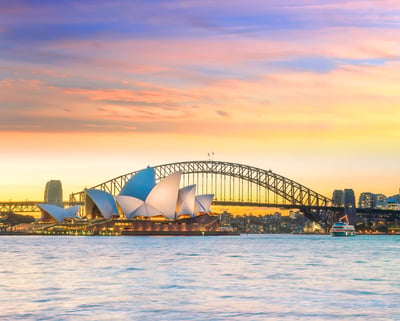
These two main islands pack in fjords, volcanic plateaus, glaciers, subtropical coastline and wine country within a space you can drive across in a day. A small ship cruise follows the coastline as it changes character. Reaching the quiet sounds, wildlife colonies and remote harbours that sit between the ports and give New Zealand its reputation for beauty.
New Zealand small ship cruises

Find a cruise
Our top picks
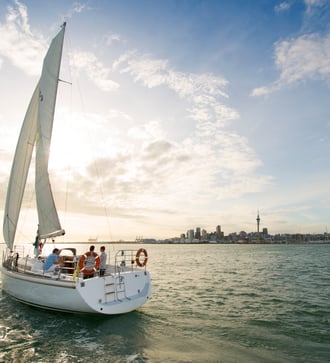
Azamara
Canada to New Zealand Grand Voyage
From Vancouver to Auckland
27 Aug - 19 Dec 2026 (114 Nights)
From £34,599 per guest
Azamara
Japan to New Zealand Grand Voyage
From Tokyo to Auckland
2 Oct - 19 Dec 2026 (78 Nights)
From £22,319 per guest
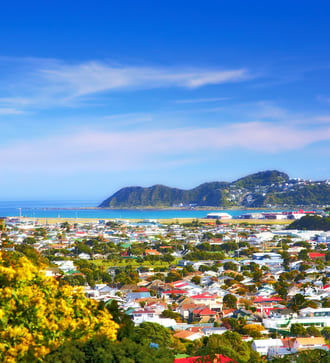
Viking Ocean Cruises
Australia & New Zealand
From Sydney to Auckland
22 Nov - 6 Dec 2026 (14 Nights)
From £10,090 per guest
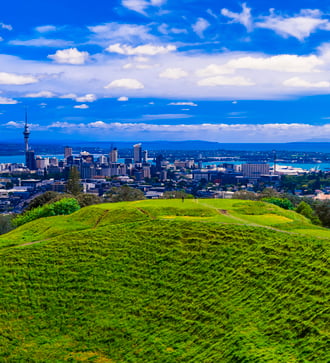
Azamara
Australia & New Zealand Cruise: Hobart, Wellington & Tauranga
From Sydney to Auckland
4 Dec - 19 Dec 2026 (15 Nights)
From £3,979 per guest
Our Insight
Highlights of a luxury New Zealand cruise
Fiordland is the anchor point for most South Island itineraries. With Where sheer rock walls rise from dark, still water. Waterfalls thread down through moss and forest. Fur seals rest on the rocky outcrops and dolphins will surface close to the ship. Rain brings hundreds of temporary waterfalls that transform the rock face into something magical. The scale and the silence stay with you forever.
Further north, the Marlborough Sounds offer a gentler landscape of drowned river valleys and sheltered waterways where vineyards run almost to the shore. Green-lipped mussels pulled fresh from the water, Marlborough Sauvignon Blanc poured within sight of where the grapes were grown.
On the North Island, the Bay of Islands delivers subtropical coastline, scattered islets and Māori heritage visible in carved meeting houses along the shore. Geothermal steam rises near Tauranga. Wellington surprises with sharp food, coffee and culture packed into a compact, hilly capital. Napier brings Art Deco architecture rebuilt after the 1931 earthquake, with Hawke's Bay wine country a short drive inland.
New Zealand suits those drawn to spectacular landscapes, wildlife and the feeling of being somewhere that is genuinely unspoiled.
The small ship difference in New Zealand
New Zealand's coastline was shaped by glaciers, earthquakes and volcanic activity rather than commerce. Most of its finest stretches have no port infrastructure, no cruise terminals and no town at the waterline. Fiordland, the Marlborough Sounds and Stewart Island are reached by Zodiac or by anchoring in natural harbours.
Small ships can enter narrow fjords, thread through the sounds at close range and some can even land on beaches where the only footprints are from penguins. In Fiordland, they arrive early in the morning before the day-trip boats from Queenstown, giving you the place almost to yourself. In the Marlborough Sounds, they anchor in bays too shallow and too narrow for anything larger.
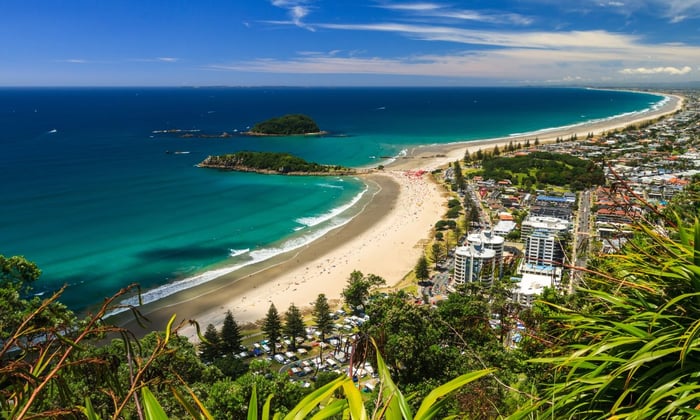
Luxury small ship New Zealand cruise itineraries
Most New Zealand cruises run 14-16 nights and cover both the North and South Islands in a single voyage. This gives you time to see Fiordland, the Bay of Islands and key ports on both islands without rushing.
The typical starting and end points are Auckland, Sydney or Melbourne, and nearly all itineraries include at least one or two Australian ports. Some voyages extend into the South Pacific, particularly on repositioning sailings at the start or end of the season.
Luxury cruise lines sailing New Zealand
New Zealand attracts a smaller range of luxury and expedition cruise lines, each with a different approach to the coastline. Some focus on headline ports and scenic cruising through Fiordland, others take a more expedition-led approach reaching remote sounds, wildlife colonies and sub-Antarctic islands. The best way to compare options is to explore our New Zealand cruises or speak to us for tailored recommendations.
- Ponant Explorations: expedition-style voyages with a French perspective, often reaching remote sounds and sub-Antarctic islands
- Hapag-Lloyd: German luxury with a focus on expedition and cultural depth, particularly strong in Fiordland
- Regent Seven Seas: offer a choice of New Zealand-centric sailings including a handful that explore beyond the land of the long white cloud
- Silversea: repeat a number of 14-night sailings on the popular Silver Moon, the first ship to debut their innovative culinary concept Sea And Land Taste (S.A.L.T)
- Oceania: 2-week itineraries sail between Auckland and Australia over our winter months regularly
The best time to cruise New Zealand
November to March is the cruising season, when days are long, temperatures are mild to warm and the fjords and sounds are at their most accessible.
- December to February is peak summer, with the warmest weather and longest daylight.
- November and March sit either side, with slightly cooler temperatures, fewer ships and a quieter feel ashore.
New Zealand weather is changeable at any time of year, particularly in Fiordland, but that is part of the character. Rain in the fjords brings hundreds of temporary waterfalls that only appear after a downpour.
Explore all New Zealand Cruises here
Travel tips and FAQs for New Zealand cruising
Is New Zealand a good destination for first-time cruisers?
Yes. The ports are easy to manage, English is spoken everywhere and the pace of most itineraries is relaxed. If your first cruise is an expedition voyage to the sub-Antarctic, expect something more active, but a standard New Zealand coastal itinerary is a comfortable and rewarding introduction to small ship cruising.
How long is the flight from the UK?
Around 24 hours with one stop, usually in Singapore, Dubai or Hong Kong. We always recommend arriving at least a day before your cruise to adjust and enjoy Auckland or whichever city your voyage departs from.
Can I combine New Zealand with Australia?
Absolutely. Nearly all itineraries link the two countries. A combined sailing gives you both destinations without the need for a separate flight. Some guests also add land time in Australia before or after a New Zealand-focused cruise.
Will I see Milford Sound on every itinerary?
Most South Island itineraries include Fiordland, but not all enter Milford Sound specifically. Weather and tidal conditions play a role, and some ships cruise Doubtful Sound or Dusky Sound instead. All three are spectacular. Your Mundy consultant can help you choose an itinerary that gives you the best chance of the Fiordland experience you want.
Is the weather reliable?
New Zealand weather is famously changeable, particularly in the south. Fiordland receives significant rainfall, which is what makes the waterfalls and lush forest so impressive. Pack layers and be prepared for four seasons in a day. The unpredictability is part of the experience rather than a drawback.
How does a New Zealand cruise compare to European itineraries?
The focus is entirely different. European cruises are built around ports, culture and walking into town. New Zealand is about landscape, nature and scenic cruising. If you enjoy being in nature and are happy with quieter, smaller ports, New Zealand will feel deeply rewarding. If you prefer busy waterfronts and evening culture ashore, it may feel too quiet.
Do I need a visa?
UK citizens need a New Zealand Electronic Travel Authority (NZeTA), which can be arranged online before you travel. Your Mundy consultant can advise on this as part of your booking.
Can I add time on land before or after my cruise?
Yes, and we would encourage it. Queenstown is a popular addition for those wanting to see the Southern Alps and lakes up close. A self-drive through the South Island or a few days in the wine regions of Hawke's Bay or Marlborough also combine well with a cruise.
What our clients say
“Top service covering all aspects of our experience. Nothing too much trouble and very prompt response to all queries.”Mr Mellor
collections
You may also like

Norwegian Fjords & North Cape
The unforgettable scenery of the Norwegian Fjords, best appreciated from the water, makes a cruise in this region a must for nature lovers.

Australia
Australia is a destination that never fails to capture the imagination, blessed with spectacular beaches and iconic wildlife, as well as the inhospitable but fascinating desert of the Outback.

Alaska & Pacific North West
Experience a different side of North America, and one that is in complete contrast to the big, fast-moving cities for which the US is famed.